
Welcome to the Norwegian Research School on
Digitalization,
Culture and Society
Supported by the Research Council of Norway and coordinated at the Oslo Metropolitan University, DIGIT offers a comprehensive two-year program designed for PhD students and postdoctoral fellows enrolled at Norwegian universities. Our program includes a blend of joint seminars, specialized academic courses, interactive workshops, secondments, and extensive networking opportunities. The school represents a collaborative effort among seven Norwegian universities, one research institute, and six partners from both the public and private sectors.
Two days on digitalisation and the future of work
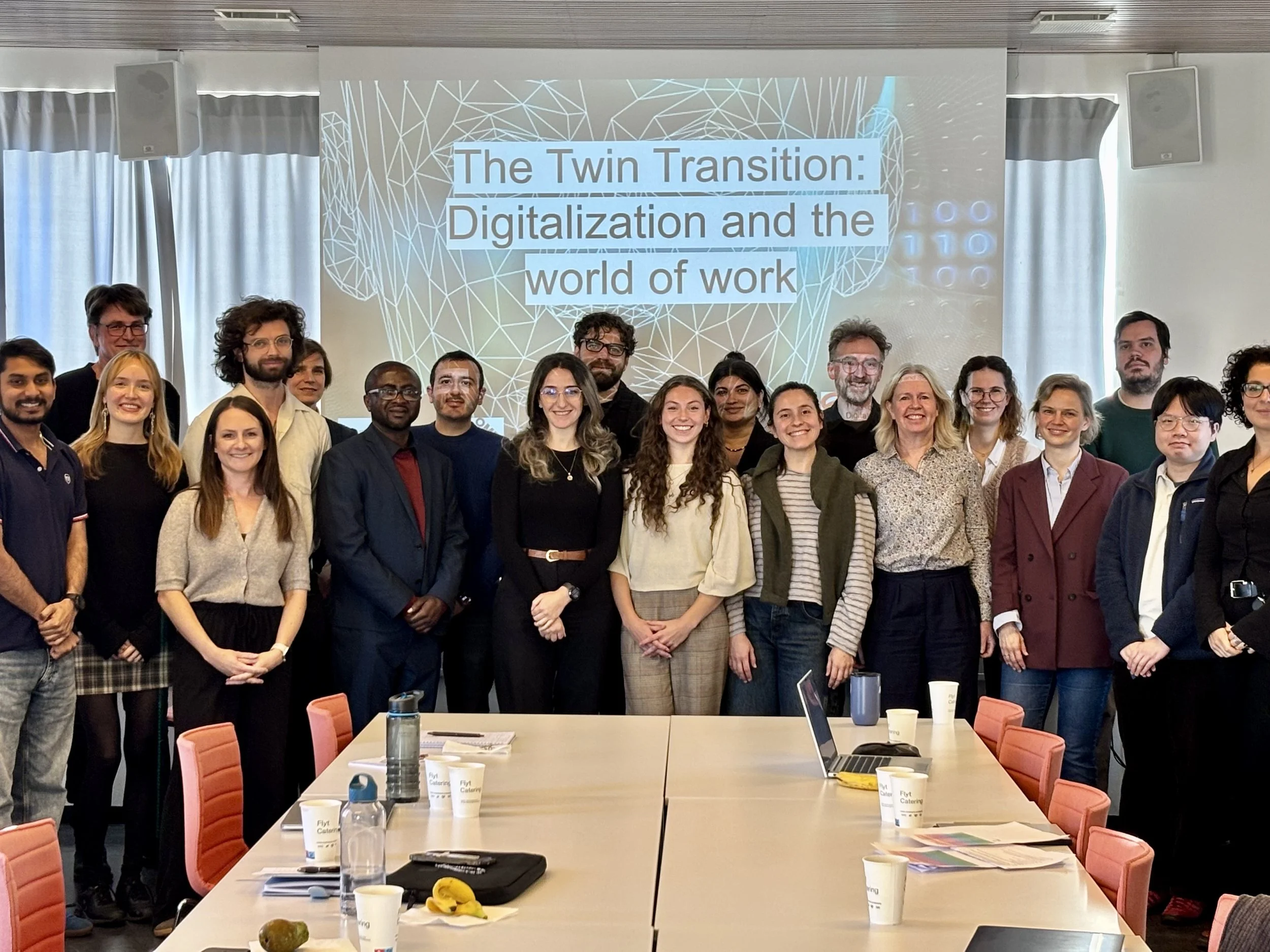
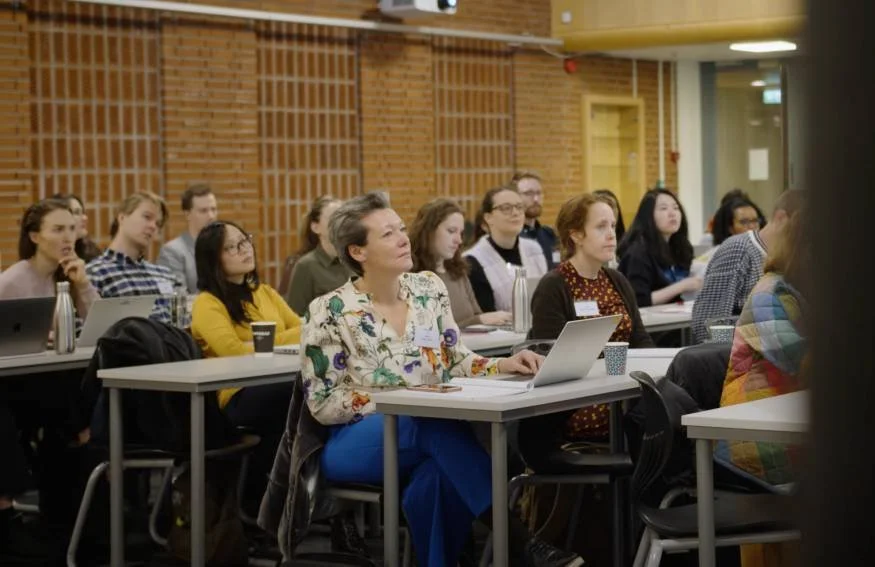
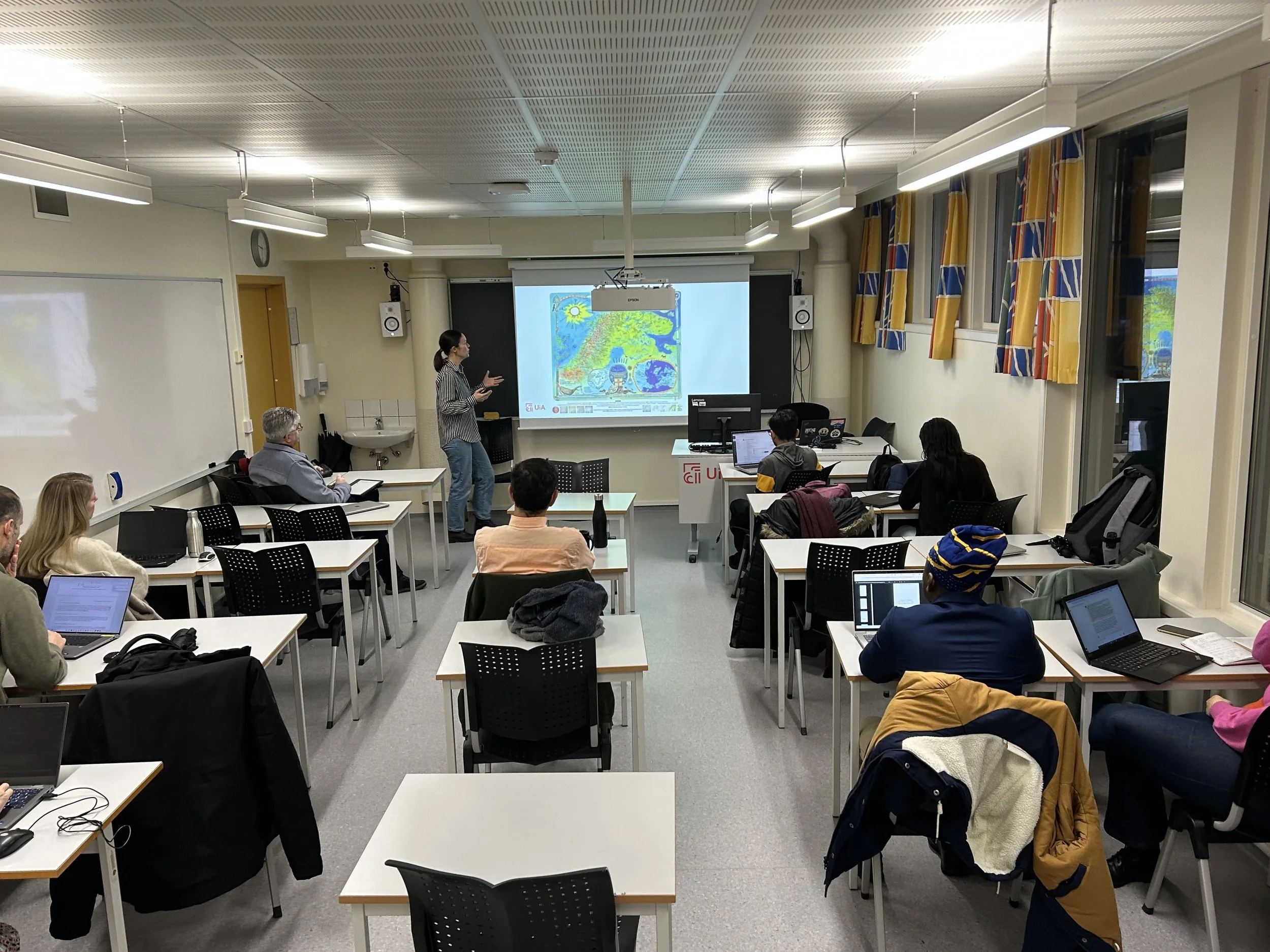
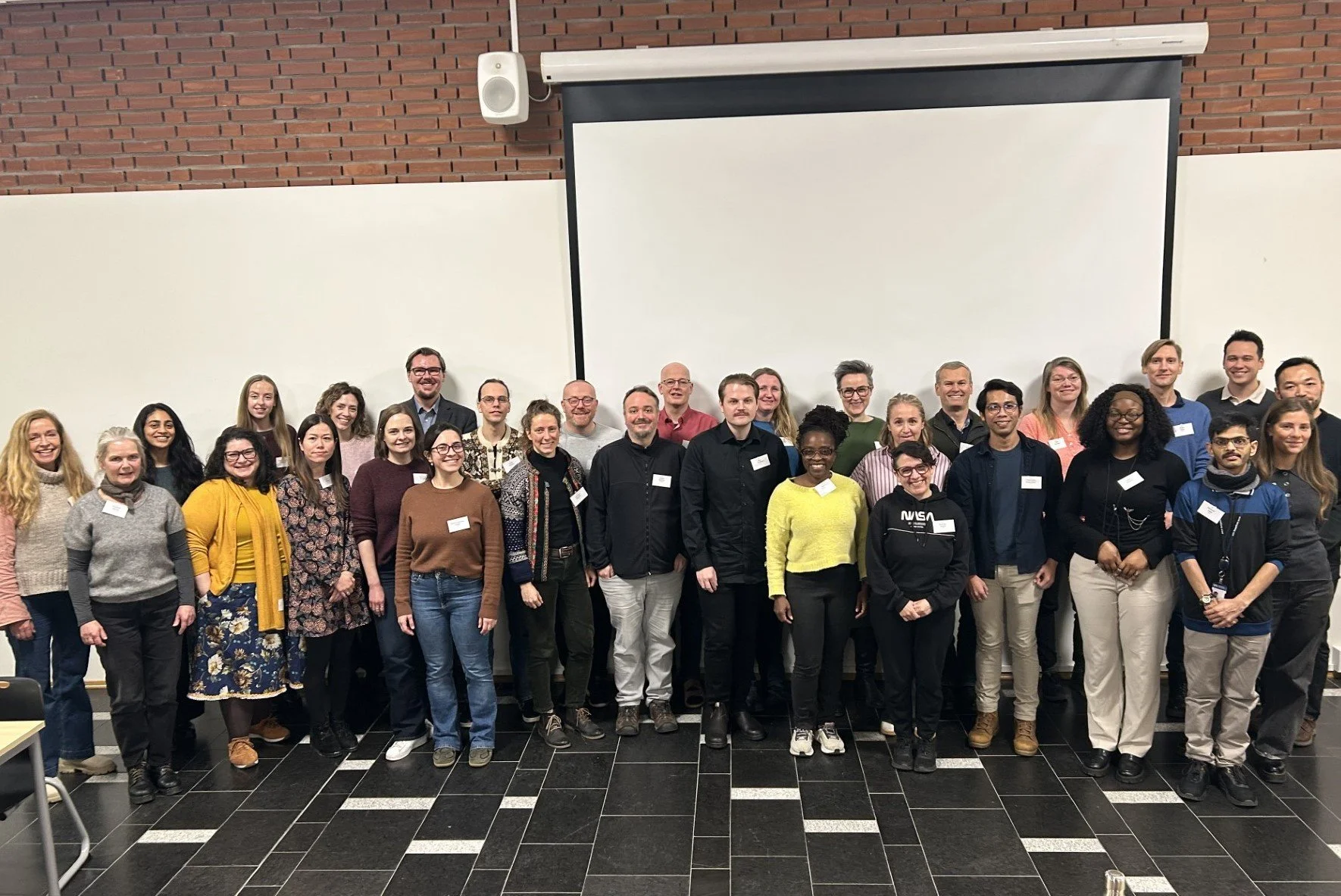
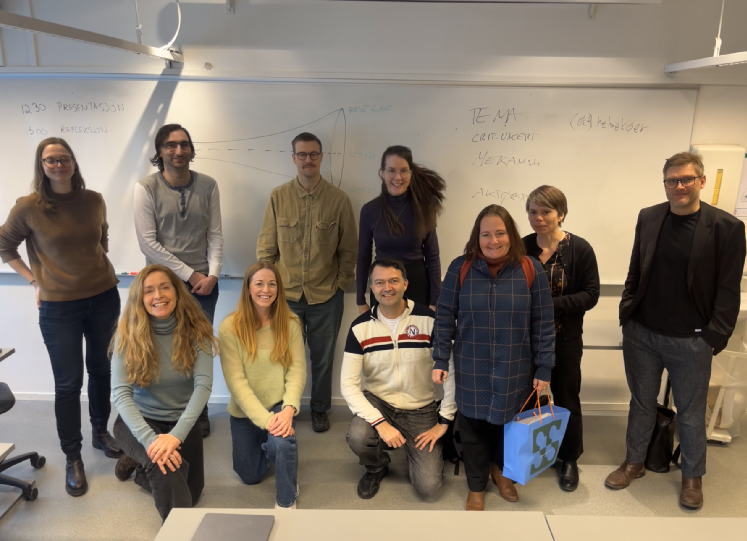
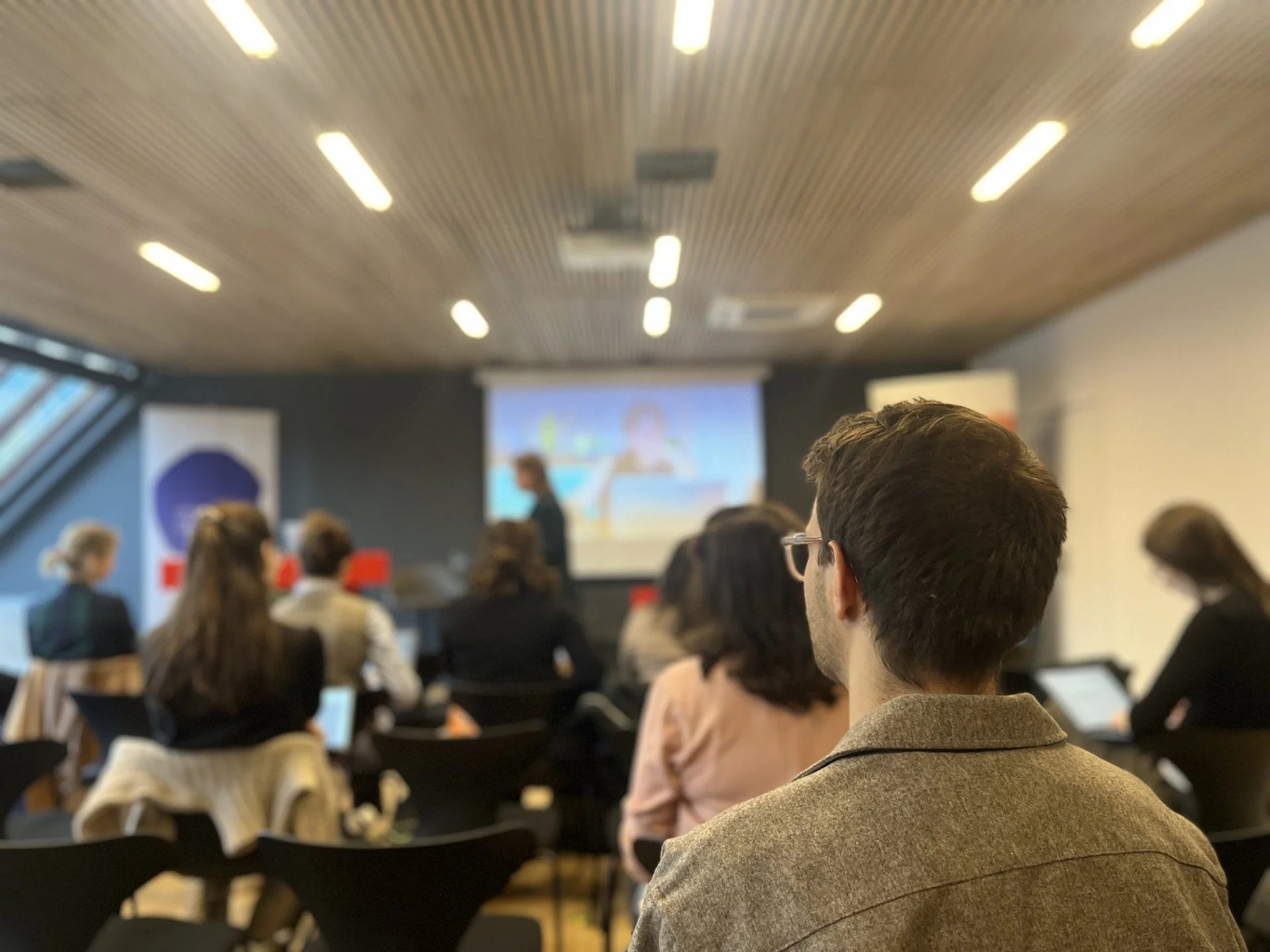
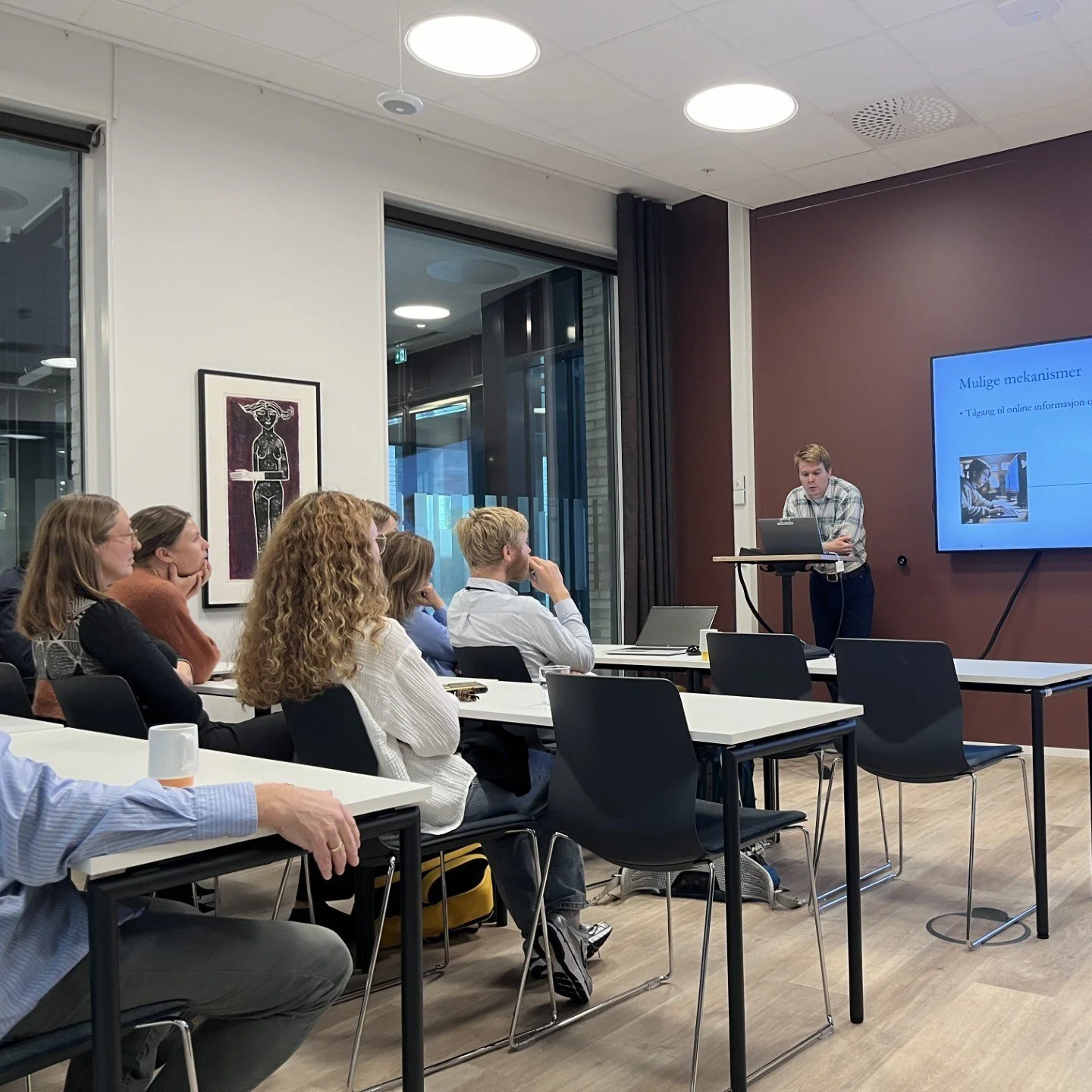
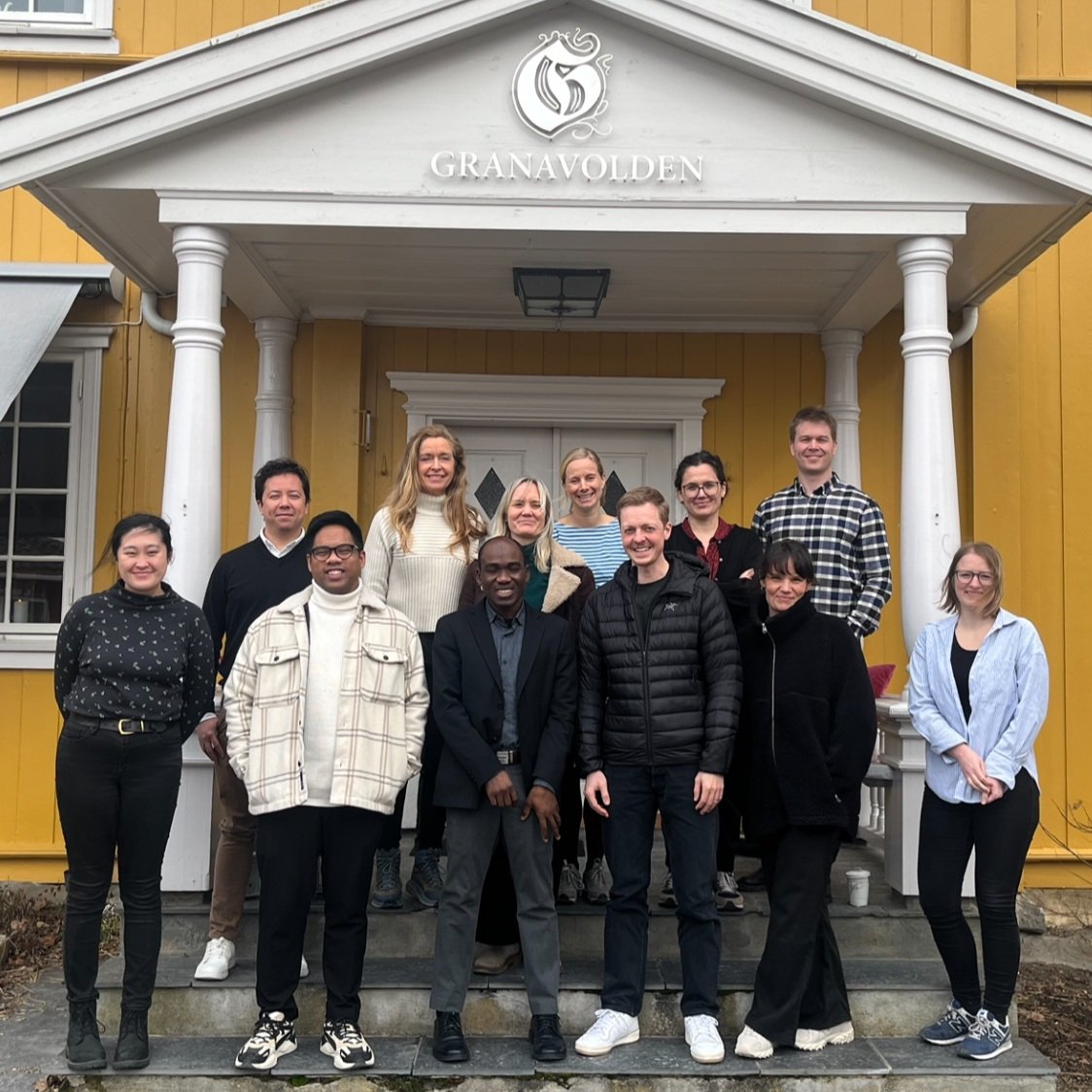
DIGIT’s PhD course “The Twin Transition: Digitalization and the World of Work” took place in Oslo on 29–30 October 2026.
PhD candidates met at the University of Oslo and the Institute for Social Research to explore how digital technologies such as AI are changing work, organisations and labour market governance. The course also looked at the green transition, including the environmental footprint of new technologies.
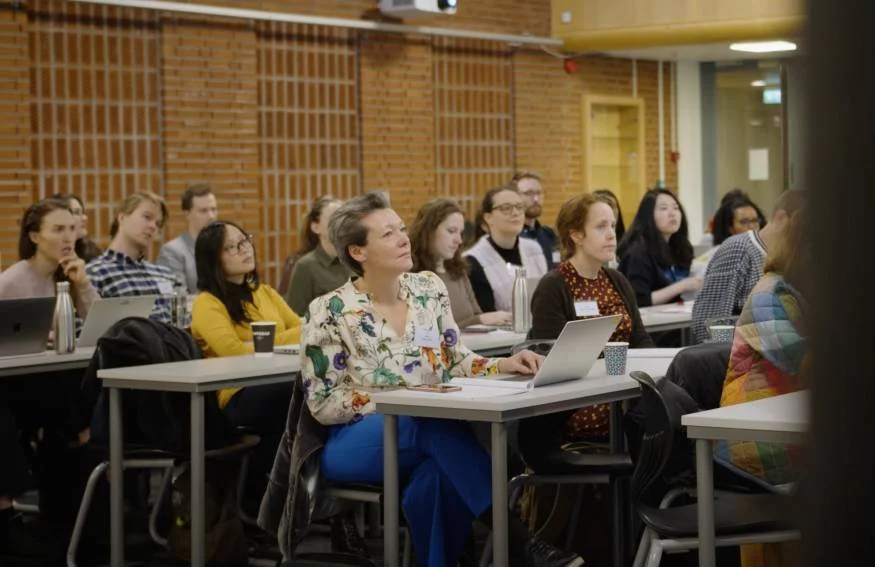
Participants presented their own research and received feedback from peers and the course organisers. Guest speakers from the public sector and social partners shared how digitalisation and automation play out in practice.
The course was led by Helena Seibicke (ARENA, University of Oslo), together with Kari Steen-Johnsen (Institute for Social Research), Janis Umblijs (NOVA, OsloMet) and Ines Wagner (ARENA, University of Oslo). We thank the organisers, our hosts and all participants for two engaging days.
Participants who complete the course essay will receive a course diploma.
DIGIT Events

What’s New at DIGIT










PhD-Level Courses Offered by Partner Universities
DIGIT wish to provide our PhD candidates with access to a broader range of PhD-level courses and relevant events and support them in building a wider academic network. To facilitate this, we offer financial support for attending relevant courses and events organized by our partner universities. Below, you’ll find a list of courses offered by our partners - please note that this is not exhaustive and offerings may vary from year to year. Registration must be completed throuhg the respective partner organization’s homepage.
DIGIT typically covers travel and accommodation costs, and applications must be submitted in advance of travel.
TIK9025 - Innovation, Welfare and Policy UiO Spring
SP9100 - Kvalitativ metode OsloMet Spring
HFIMK9002 - Photofake UiO Spring
Current trends in e-health research USN Spring
TIK9015 – Practice-Oriented Document Analysis UiO Autumn
SOS8533 - Modern Media and Digitalization NTNU Autumn
New knowledge on digitalisation,
culture and society
“The objective is to produce critical and theory-sensitive knowledge on the relationship between digitalization and societal changes.”
- Marit Haldar, Professor and director of The Research Centre for Digitalization of Public Services and Citizenship (CEDIC) at OsloMet.
The research school aims to provide theoretical frameworks on the role of technology in society such as science and technology studies (STS), posthumanism, philosophies of science, and frameworks on the politics of technologies. The Research School will build capacity on new digital methodologies, such as digital ethnography, visual ethnography, digital narratives, and big data analysis.
Facilitating Dialogue and Collaboration
DIGIT consists of seven Norwegian universities, one research institute, and six external partners from outside the research sector. These academic partners have extensive expertise in their respective research domains. Together, stakeholders collaborate to pinpoint research questions and knowledge gaps, engage in dialogue over explanations and interpretations, and devise innovative courses and methodologies. The Research School is hosted by the Centre for Digitalization of Public Services and Citizenship (CEDIC) at Oslo Metropolitan University (OsloMet).
Our Partners




Interested in Joining the School?
The Norwegian Research School on Digitalization, Culture, and Society (DIGIT) annually selects a limited number of highly qualified PhD students and postdoctoral fellows from Norwegian institutions, continuing this tradition until 2028
DIGIT offers an enriching two-year program that includes joint seminars, academic courses, writing workshops, as well as communication and management training, alongside networking and secondment opportunities, all at no cost to the participants.