
Activities
Meet us at inspirational events focused on digitalization, culture and society, presented by expert researchers and professionals from outside the research sector. This page provides an overview of the academic activities available to DIGIT-participants.

DIGIT course: Participatory Action Research
This course provides an in-depth and hands-on introduction to Action Research (AR), Collaborative Action Research (CAR), and Participatory Action Research (PAR). What these research methodologies have in common is that they prioritize active collaboration with research participants, ensuring that research is co-designed, co-executed, and co-analyzed to address real-world problems.
The course, designed for PhD students and post-docs, discusses the interplay of digital technologies, technosocial imaginaries, and collective identities, and the ensuing shaping of cultural identities as part of historical processes.

DIGIT course: Digitalization and Cultural Identities: Analog Pasts, Digital Futures and Technosocial Challenges
Over the recent decades, the rapid process of digitalization transformed the ways in which we communicate, but also the ways in which we perceive ourselves and others. An important part of this perception is related to how we relate to pasts and futures (both our own pasts and futures and those of others) to develop and/or maintain our cultural identities, which in their core are historical, i.e. history made.
The course, designed for PhD students and post-docs, discusses the interplay of digital technologies, technosocial imaginaries, and collective identities, and the ensuing shaping of cultural identities as part of historical processes.

Scenarios for the Future – AI, Power, and Democracy at Litteraturhuset in Oslo
Scenarios for the Future – AI, Power, and Democracy
Join us as we explore the future of digitalization in Norwegian public administration!
This live scenario analysis will focus on the future of digitalization in Norwegian public administration. A group of experts with strong opinions and diverse perspectives on digitalization will be challenged as we look at some of the biggest technological and societal challenges we face and discuss what might happen and what actions we should take.

Live scenario analysis - AI, Power, and Democracy
Date: 27 Nov 2025 @18:30-20:00
Location: Litteraturhuset, Wergelandsveien 29, Oslo. Room: Skram
Language: Norwegian
The event is open to the public and all former DIGIT cohorts are invited. No registration is necessary.
Photo: Igor Omilaev at Unsplash
The future is being created here and now, through technological development and our stories and predictions. Expectations for the future influence what we do today, and it is therefore important to have a thoughtful and conscious approach to it.
This live scenario analysis will focus on the future of digitalization in Norwegian public administration. Here, a group of experts with strong opinions and diverse perspectives on digitalization will be challenged.
We will look at some of the biggest technological and societal challenges we face and discuss what might happen and what actions we should take.
We ask:
How can the state keep up with technological development, and what should its role be in steering this development?
Who should own AI algorithms, and how can they be kept within democratic frameworks?
Can we continue to trust multinational providers when they are used by their home countries' governments to influence our democracy?
What if AI does not meet expectations and large investments are lost?
Looking globally: How can small Norway handle the many major challenges that come with the international AI race?
Panelists
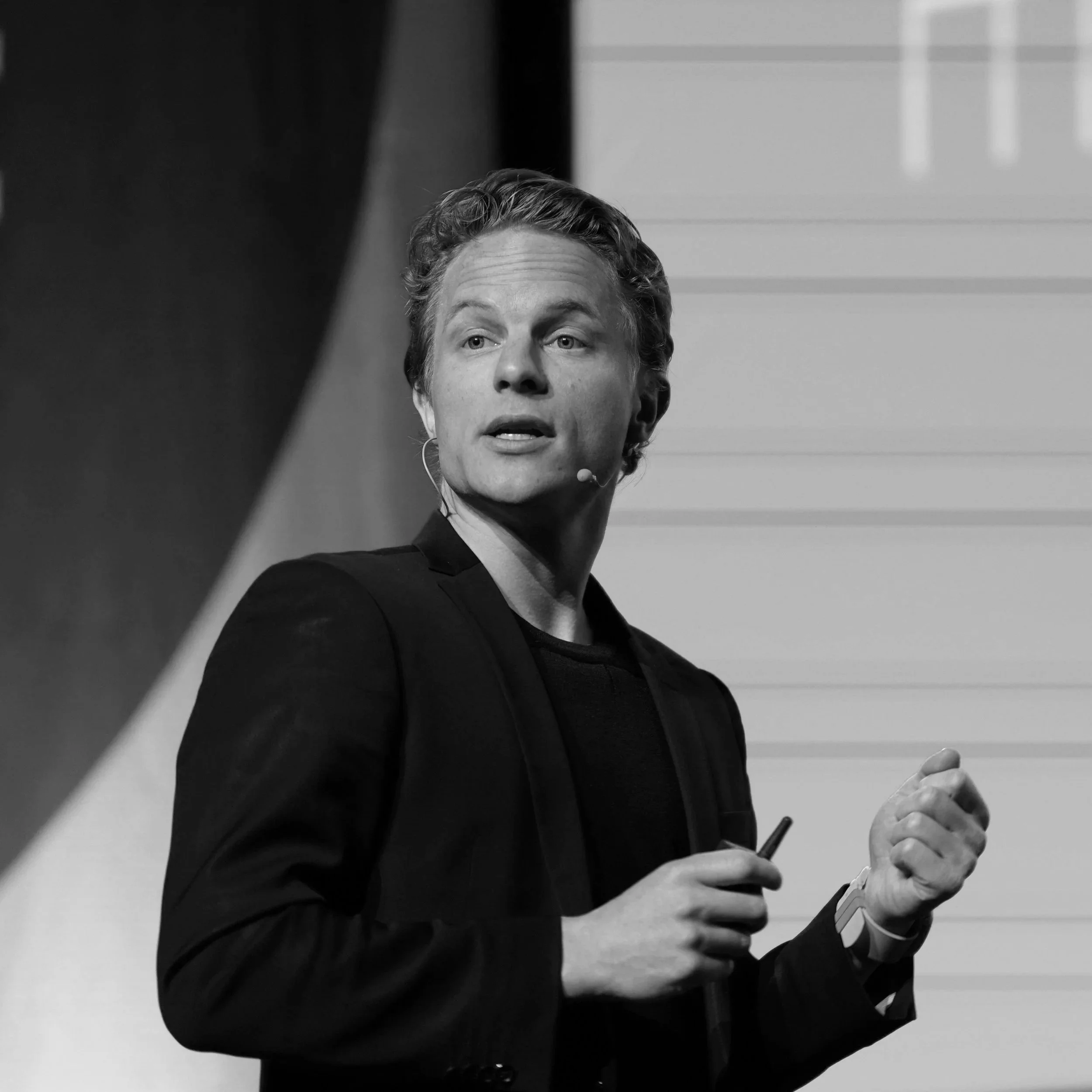
Fredrik Gulowsen is CEO and founder of the digital platform Nyby. He has started and led multiple start-ups since 2002, including as a co-founder of Kolonial.no (now Oda).
Photo: Anki Grothe
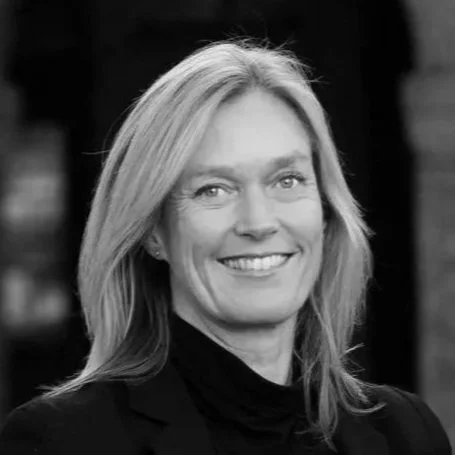
Hilde Nagell is an advisor at the think tank Agenda. She has a Ph.D. in political science and is the author of the book "Digital Revolution – How to Take Back Power and Freedom."
Photo: Siw Pessar
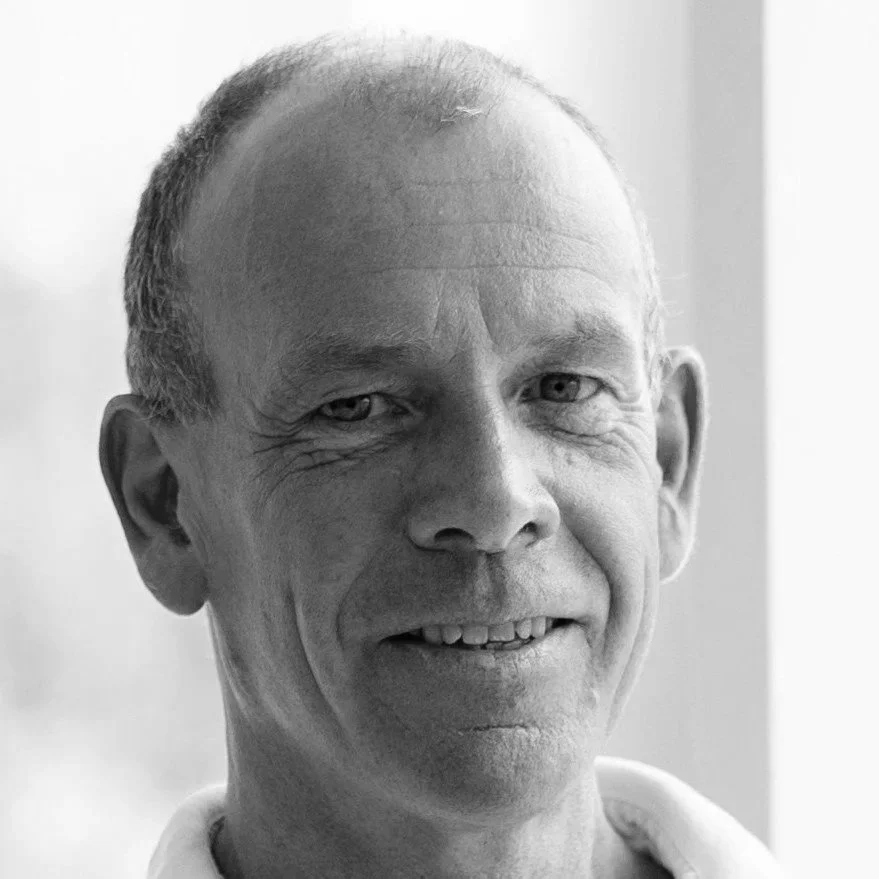
Jens Nørve from the Norwegian Digitalisation Agency (Digdir) has over 25 years of experience with digitalization in both the public and private sectors. He has experience in IT management and coordination from Telenor and a broad background from various ministries.
Photo: Digdir
Sondre Engebråten is a tech lead and AI expert at Origo, Oslo Municipality. He holds a PhD in artificial intelligence and robotics, and has spent nearly ten years conducting research on unmanned systems and drone swarms at the Norwegian Defence Research Establishment.
Photo: Håkon Lexberg
Moderator: Torjus Solheim Eckhoff, Ph.D. candidate at the TIK Centre for Technology, Innovation, and Culture, University of Oslo, and an alumnus of the DIGIT network.
Questions? Contact the DIGIT coordinator.
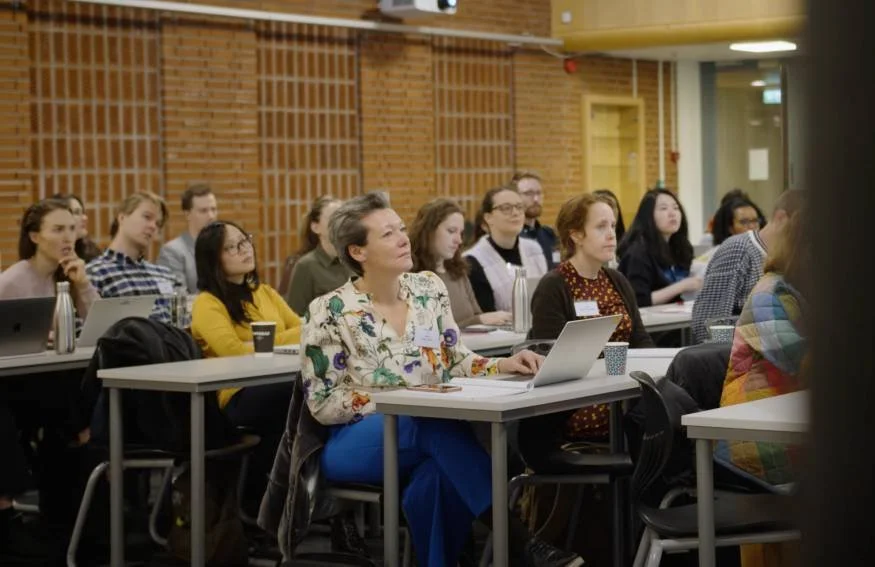
Kick off-course on Digitalization, Culture and Society for Class of 2025
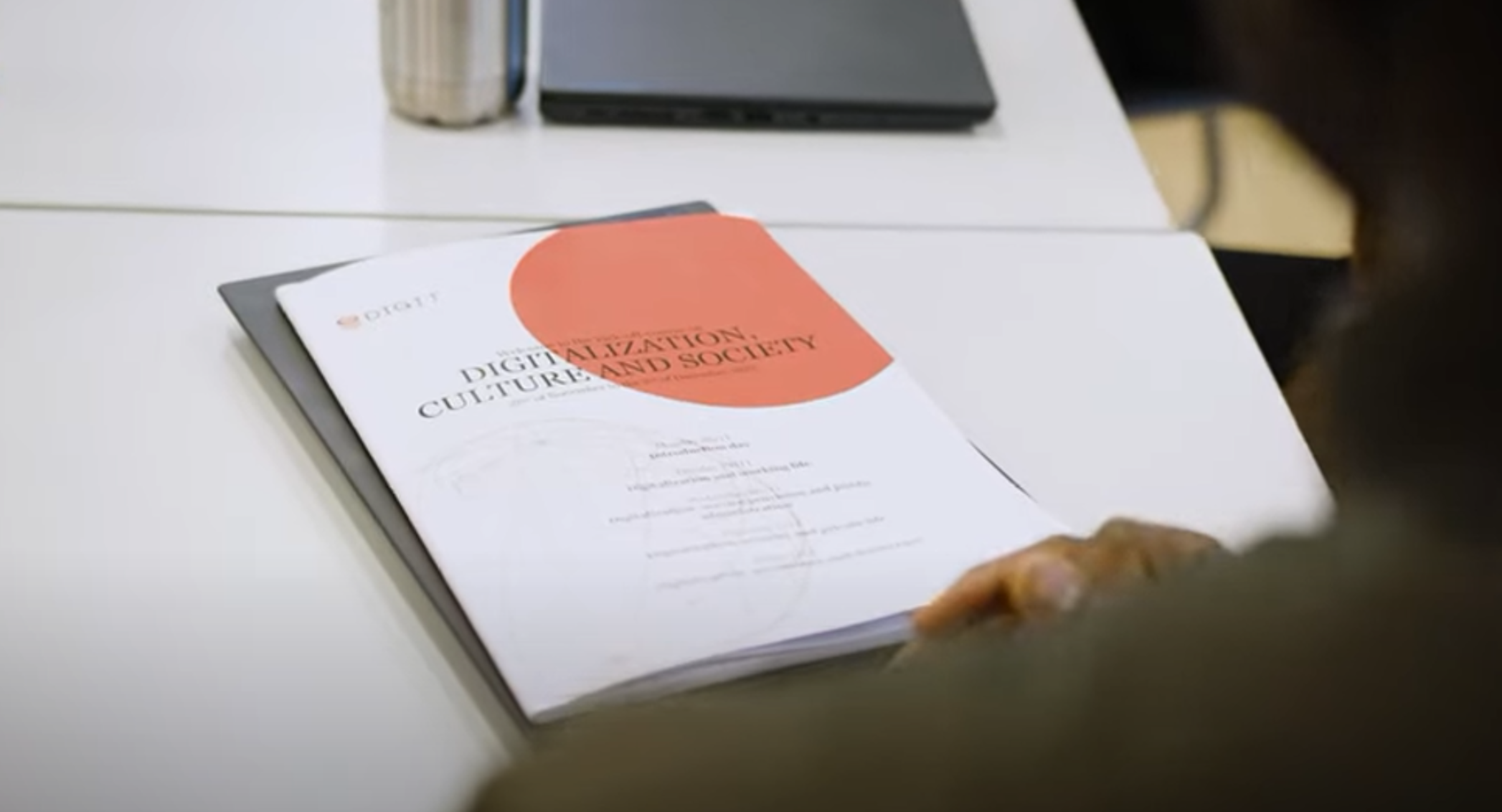
Welcome to the DIGIT-kick off course for class of 2025! Members and partners meet for lectures, group discussions and presentations.
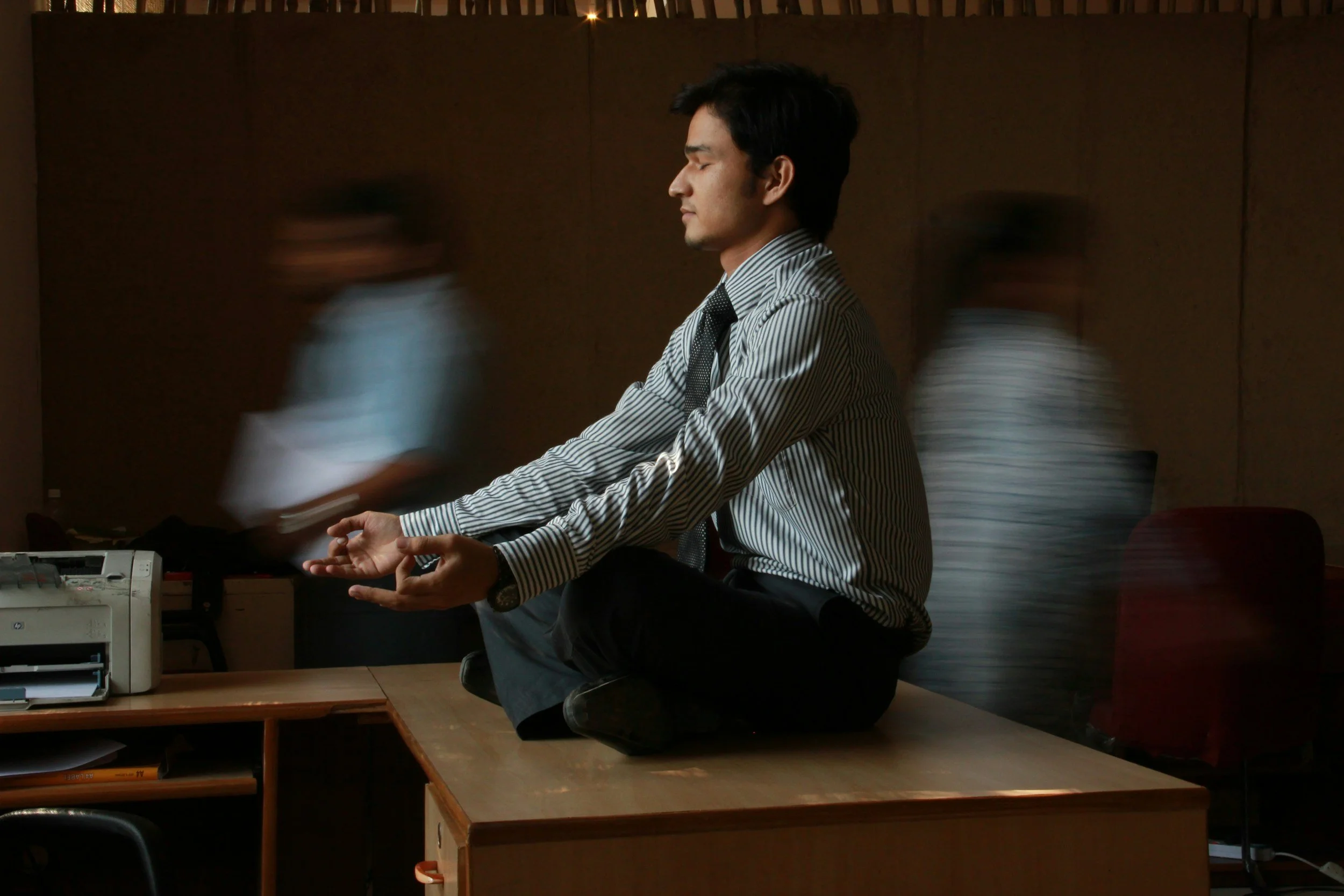
Online Office Yoga
Office Yoga with DIGIT
In the run-up to Christmas, DIGIT is offering our members gentle online drop-in yoga sessions on Mondays from 10:15 to 10:40!
Each session lasts 25 minutes and is designed to give you a short breathing space in the work week.

Office Yoga
When: November 17, November 24, December 1, December 8 and December 15 from 10:15 - 10:40
Where: Zoom
Registration: https://nettskjema.no/a/567914
Registration in the form is non-binding — you can decide from week to week whether you wish to join or not.
For: DIGIT members and alumni
Photo: Charanjeet Dhiman (@charanjeet_dhiman) at Unsplash
Content
The yoga sessions are based on MediYoga and offer gentle, mindful movements combined with breathing exercises and short meditations. No previous experience is needed, you simply meet yourself where you are.
We call it office yoga, which means you can join straight from your desk. You’re welcome to sit on a chair or on a yoga mat with a cushion. Most of the practice is done seated.
The 25 minutes are a work-in rather than a workout: a calming pause that helps you reset, soften tension, and return to your day feeling clearer and more grounded. You will not get tired or sweaty.
About MediYoga
MediYoga is a therapeutic form of yoga with roots in traditional yoga, developed in Sweden in collaboration with the healthcare sector. The yoga form is widely used in health institutions in Norway and Sweden. Several positive effects has been documented in various studies.
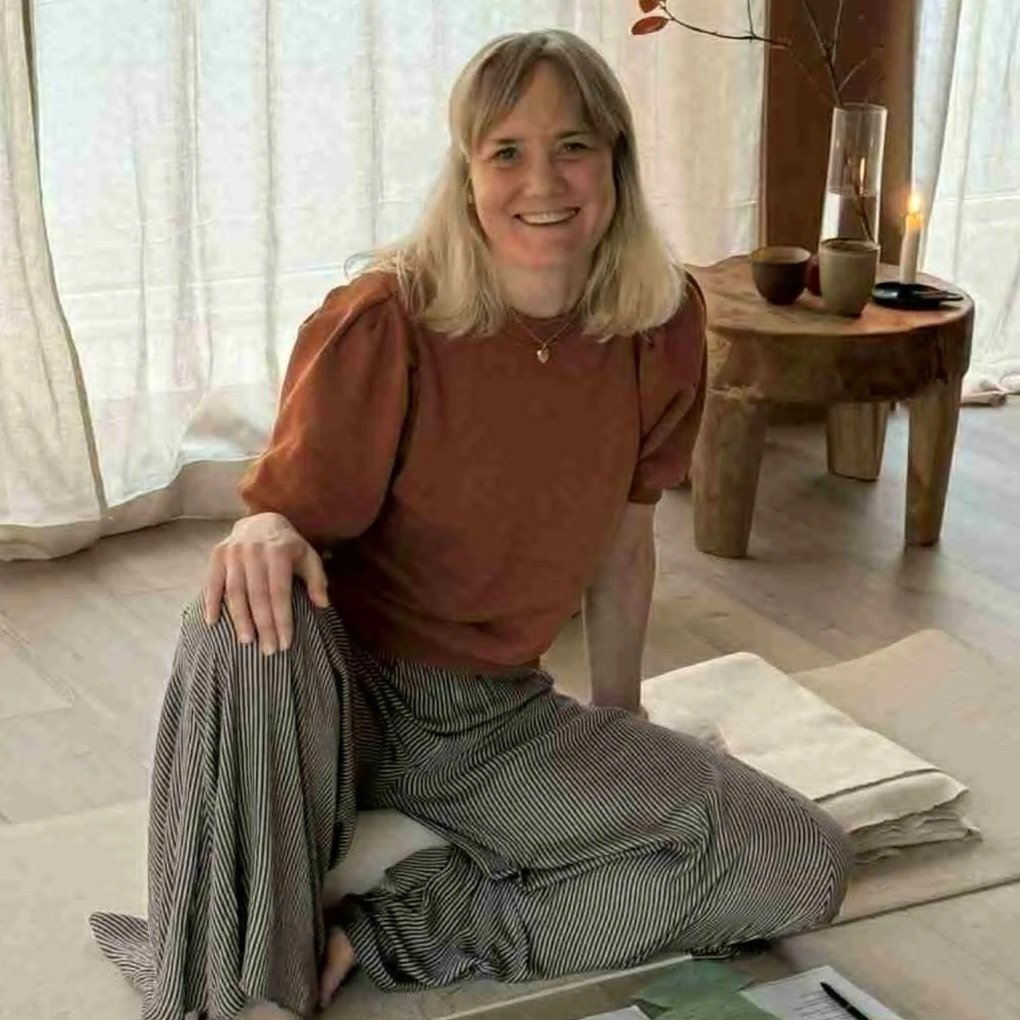
Yoga Instructor
Tina Svingerud is the administrative coordinator for DIGIT and a certified MediYoga instructor. She holds a PhD in molecular biology and has previously worked as a researcher. She has extensive experience with various mindfulness and presence-based practices.
Please feel free to contact the DIGIT coordinator should you have any questions.

TIK9015 – Dokuprax: Document analysis and document work in democracy, politics and bureaucracy
TIK9015 – Dokuprax: Document analysis and document work in democracy, politics and bureaucracy
Documents are everywhere. Whether physical or digital, large or small, loud or invisible, they permeate our societies and individual lives, past and present. Some documents are outright celebrities, such as the UN Assessment Reports on Climate Change; others, such as passports, can open doors and borders – or keep them shut if yours is not accepted. Indeed, documents quickly pile up as empirical materials in our own research projects. So how to make use of this rich resource? How to analyse documents as part of your PhD project?
Particular to the course offered in autumn 2025, is its further development in collaboration with DIGIT, and a particular focus on the role of digital documents in democratic processes!

TIK9015 – Dokuprax: Document analysis and document work in democracy, politics and bureaucracy
When: 3.-7. November 2025
Venue: HF-12, Niels Treschows hus, University of Oslo (UiO) Blindern Campus, Oslo, Norway
Registration deadline: 1 September 2025
Language: Norwegian
Read more and apply here: https://www.uio.no/studier/emner/sv/tik/TIK9015/index-eng.html
Five of the spots on the course are reserved for members of DIGIT with relevant PhD projects.
DIGIT will cover travel and accommodation for DIGIT members who are attending the course - please contact the DIGIT coordinator for more information.
Course content
Documents are everywhere. Whether physical or digital, large or small, loud or invisible, they permeate our societies and individual lives, past and present. Some documents are outright celebrities, such as the UN Assessment Reports on Climate Change; others, such as passports, can open doors and borders – or keep them shut if yours is not accepted. Indeed, documents quickly pile up as empirical materials in our own research projects. So how to make use of this rich resource? How to analyse documents as part of your PhD project?
This PhD course brings together a varied set of methodological approaches to demonstrate and discuss how we can analyse documents as both texts, artifacts and social practices. Building on the textbook Doing Document Analysis, the course introduces the method of ‘practice-oriented document analysis’ (Asdal & Reinertsen, SAGE Publishing, 2022).
During the course, we will introduce and explore the methodological moves developed in this book for working with documents as research materials: How documents can be approached as sites, how they can be analysed as tools, how we can examine ‘document work’ and ‘document texts’, how documents are involved in the making of societal issues, and what we can learn from analysing how documents move.
The course draws upon a rich source of document studies in science and technology studies (STS) and across the humanities and social sciences more broadly and will also introduce you to the theoretical underpinnings that have inspired our practice-orientation to documents.
Particular to the course offered in autumn 2025 is that it has been further developed in cooperation with DIGIT, and that we will give special attention to the role of digital documents in democracy: How documents are key components in democratic procedure, how bureaucrats and other document-workers handle documents, how documents equip actors with capacities to act and take part in democratic politics, and how digital formats and work processes transforms both documents and democracy. The course invites document-workers from public government into the course so that we can learn from them, simultaneously as we will present and discuss the practice-oriented method. This part of the course is co-organised with the SPARK Social Innovation project DOCUPRAX.
Admission to the course
This PhD course is open to PhD candidates from any institution. Admission to a certified PhD program is required for participation.
Please note that the course will only be offered in Norwegian in 2025. You are not required to speak or write Norwegian yourself, but you need to be able to follow lectures and discussions in Norwegian.
The application must be submitted digitally and include:
A completed application form with the following attachments:
A letter outlining your PhD project, your motivation for attending the course, and examples of document materials you will be analysing in your PhD (max 500 words).
For applicants outside UiO: A letter confirming your enrolment in a PhD program.
Accepted applicants will be expected to submit a memo in advance of the course week describing three examples of document materials you will be analysing in your PhD (max 1000 words).
Application deadline: 1 September 2025.
Further information
For further information on teaching, examination and learning outcomes, please visit the course page at UiO: https://www.uio.no/studier/emner/sv/tik/TIK9015/index-eng.html

Arendalsuka 2025
Arendalsuka 2025
Arendalsuka is an annual event held in Arendal every August. It is Norway’s largest political gathering, and serves as a meeting place for anyone interested in societal issues, politics, and community engagement. The event has a diverse program of debates, panel discussions, lectures, and exhibitions, all aimed at fostering open dialogue and democratic participation.
For the first time, DIGIT research school plans to attend! If you are a member, apply for a place below.

Arendalsuka 2025
Date: August 11-15, 2025
Location: Arendal
Apply here: https://nettskjema.no/a/516229
Deadline for application: April 29
Language: Norwegian
We cover costs related to travel and accommodation. The offer is open for DIGIT members only, and we have a limited available places.
Arendalsuka/Foto: M. Hauglid
About Arendalsuka
Arendalsuka is an annual event held in Arendal every August. It is Norway’s largest political gathering, and serves as a meeting place for anyone interested in societal issues, politics, and community engagement. The event has a diverse program of debates, panel discussions, lectures, and exhibitions, all aimed at fostering open dialogue and democratic participation.
The five days in Arendal offer a unique opportunity to observe and engage with politicans, societal actors and variours stakeholder. All over Arendal, there will be numerous sessions on topics such as digitalization, climate change, healthcare, and education, offering an opportunity to conntect to the public perspective on current societal challenges and approaches used to addressing them.
In recent years, Arendalsuka has extensively covered topics pertinent to DIGIT's thematic areas, including artificial intelligence, data sharing, and collaborative digital initiatives.
Program
The program for the event can be found here: https://www.arendalsuka.no/programsok/.
We have not finialized yet the specific plans for DIGIT. One approach is to have a free and flexible framework where each participant select and attend events that align with their individual interests. Another possibilityis to collaborate with relevant stakeholders and contribute to their events.
The final plans will be developed in collaboration with the registered participants.
Accommodation and Travel
Participants are responsible for arranging their own accommodation and travel. It can be challenging to find accomodation in Arendal during this week. It may be practical to book rooms in nearby towns with public transport connections to Arendal. Alternatively, forming groups to rent private accommodations could be another option. Once registrations are complete, we will facilitate communication among participants to coordinate accommodation if desired.
Please feel free to contact the DIGIT coordinator if you have any practical questions.
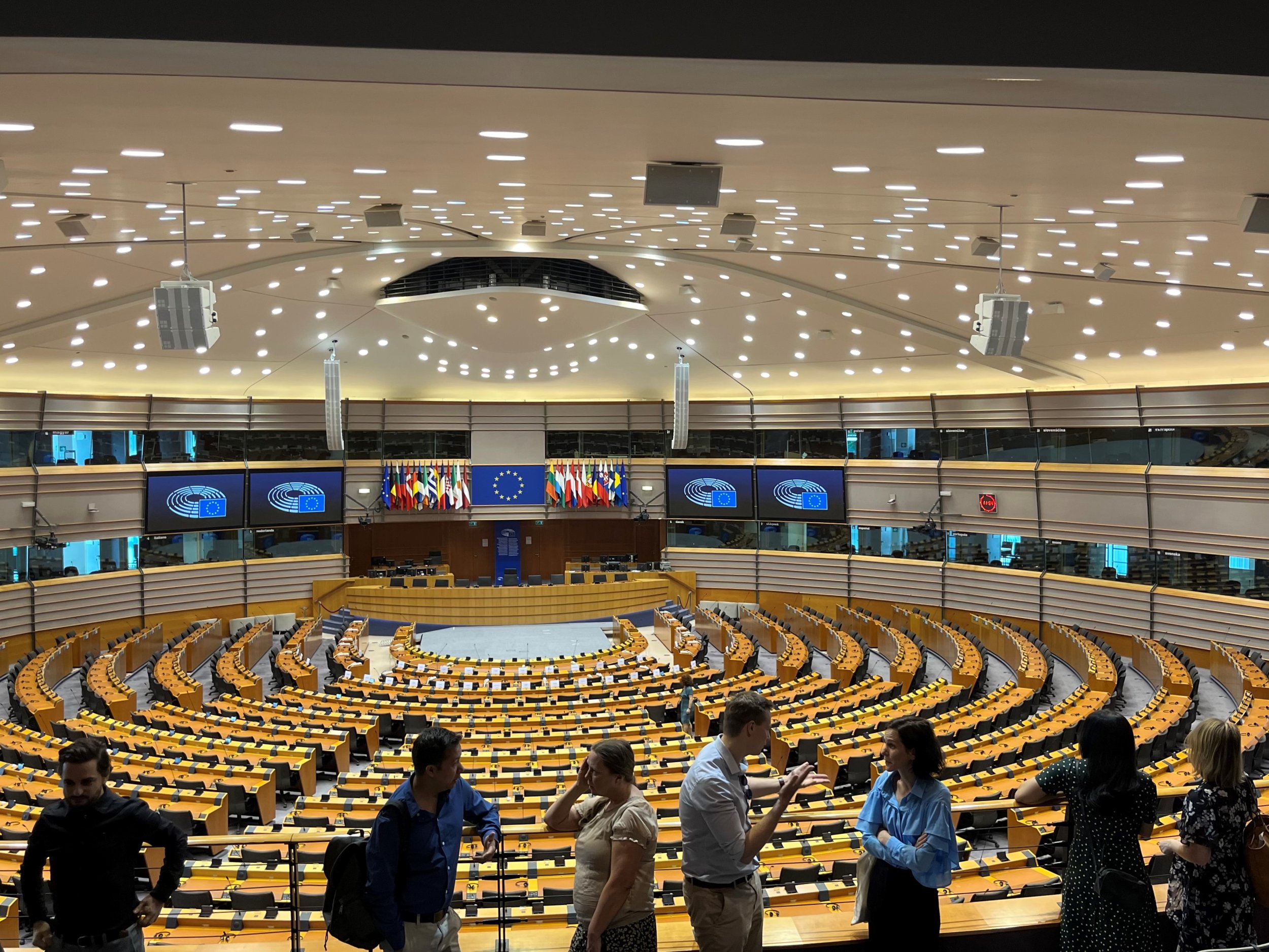

PhD summer school on socio-material transformations
PhD School on Socio-material Transformations – Trondheim, Norway 16.-20. June 2025

Writing retreat with DIGIT
Writing retreat with DIGIT
Would you like to participate in a three-day workshop focused on academic writing?
The aim of this retreat is to bring participants together in a quiet environment to concentrate exclusively on scientific writing. The program will include dedicated time for active writing as well as peer-to-peer discussions in groups. Each participant will also receive personalized feedback on their text from the course leaders.

Writing Retreat
When: 21-23 May 2025
Where: Losby Gods
Application deadline: 1 April
Application: https://nettskjema.no/a/484013 Please note, your place is not reserved until you here back from us. We have limited capacity (12 spots).
Prerequisites: A paper draft (2000-4000 words), kappa draft or similar must be submitted in English or a Scandinavian language by May 15 at the latest.
Upload the text you will be working on here: https://nettskjema.no/a/484019-
The text should be a draft rather than a final version and should be between 2,000 and 4,000 words. If it exceeds this length, please clearly mark the 2,000–4,000 words you would like others to read.
The writing retreat is open for DIGIT members only. All reasonable costs (economy travel up to 2500 NOK) and full board at the hotel will be covered.
Content
The workshop is structured to provide you with dedicated and uninterrupted time for individual writing. In addition to focused sessions for drafting your text, the workshop will include peer-to-peer feedback sessions, walk-and-talk discussions, and personalized feedback from the course leaders. Participants will be organized into smaller writing groups, where you will present your paper to your colleagues and the course leaders. You will also serve as a discussant for the work of your fellow group members.
To maintain focus, we ask all participants to fully commit to the entire program and refrain from external obligations during the days.
The workshop will be led by director in DIGIT, Marit Haldar and one additional senior staff member in DIGIT.
Please scroll down to view the preliminary program.





Preliminary program
Wednesday May 21
12:00 - Departure bus from OsloMet (Stensberggata 38) - NB: time updated April 10
12:40 - Departure bus from Lillestrøm (Scandic Lillestrøm, Stillverksveien 28) - NB: time updated April 10
13.00 – 14.00: Lunch
14.00 – 14:15: How to give constructive feedback
14.15 – 16.00: Group work with paper presentation, discussion and feedback
16.00 – 16.30: Snack break
16.30 – 19:00: Writing-session
19:00 - 19:30: Break
19.30 -: Dinner
Thursday May 22
07.00 - 08:00: Optional yoga
07.00 – 09.00: Breakfast
09.00 – 12.00: Writing-session
12.00 – 13.00: Lunch
13.00 – 17.00: Writing-session (snacks at 16:00)
17.00 – 19.00: Walk and talk with writing partners
19.00 –: Dinner
Friday May 23
07.00 - 08:00: Optional yoga
07.00 – 09.00: Breakfast
09.00 – 12.00: Writing-session
12.00 – 12.30: Feedback and evaluation
12.30 - 13.30: Lunch
13:45 - Departure bus from Losby Gods
14:05 - Estimated* arrival Lillestrøm (Scandic Lillestrøm, Stillverksveien 28)
14:45 - Estimated* arrival OsloMet (Stensberggata 38)
* If there is heavy traffic, the bus ride may take longer.

Course leader
Marit Haldar is professor of sociology at OsloMet and the director of DIGIT. Throughout her research-career she has been concerned with ideology and cultural analysis of childhood, old age, gender, family and (social) technology. She has also studied marginalized subjects in the welfare state and inequalities in treatment in the health care system from an ideological perspective. Haldar has broad and long experience with most qualitative methods and has developed new methods that are discussed in highly regarded international method literature (see Silverman, D. 2011, "Interpreting qualitative data", 4th ed. London: Sage). She has held courses in qualitative methods and writing courses at least once a year since 2011 and has extensive experience in providing feedback on texts in both the humanities and social sciences.
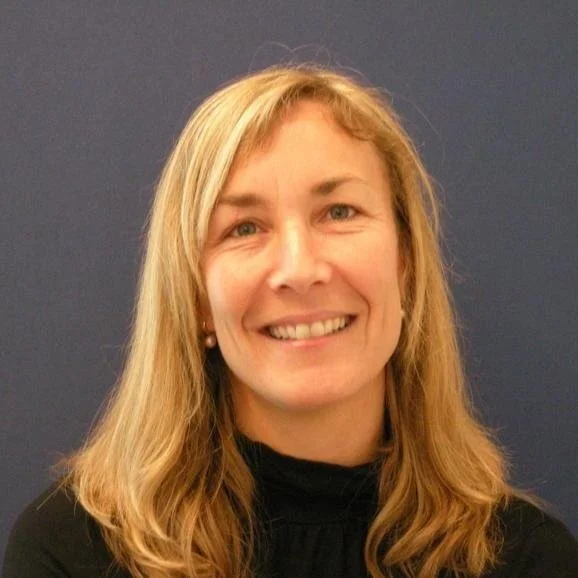
Course leader
Kjersti Røsvik is an associate professor at the University of South-Eastern Norway. Throughout her research career she has been concerned with childhood and family research, child welfare research, and research in social exclusion utilizing cultural analysis and a narrative discursive approach. In addition, she has been interested in pedagogical educational research focusing on how digital tools can enhance active learning in higher education. She has a broad and long experience supervising numerous master students and PhD students and served as an opponent at both mid-term and final seminars. Røsvik is leading the Child Welfare Research Group. She has broad international experience, and is for the time being a project leader of a HK-funded collaborative project between Norway and India.
Please feel free to contact the DIGIT coordinator should you have any questions.

Final Seminar for Class of 2023-2025
Final seminar for Class of 2023-2025
The Final Seminar of the DIGIT Class 2023–2025 will take place May 8-9. Over two days, you will receive insightful presentations from various speakers on how to navigate your career after your PhD/postdoc period. There will also be time for reflections and discussions together with your peers.

Final Seminar class of 2023-2025
When: May 8-9, 2025
Where: Holmen Fjordhotell
Registration: https://nettskjema.no/a/497129
Deadline for registration: April 1
Who is it for? DIGIT members from the class of 2023.
About the seminar
Over these two days you will get helpful presentations from different people on how you can move forwards after your PhD/postdoc, be it in academia, private- or public sector. There will also be set aside time for reflections and discussions together with your peers.
Program
Thursday May 8, DAY 1 – Final Seminar
Holmen Fjordhotell, Slemmestadveien 64, 1394 Nesbru, Room: WASA
12:00–: Lunch
13:10–13:15: Welcome
Marit Haldar and Tina Svingerud, DIGIT
13:15–14:15: Career advancement and transitioning from PhD to working in academia
Hanna Marie Ihlebæk – Associate Professor, Østfold University College
Hanna Marie Ihlebæk holds a Ph.D. in the study of professions from Oslo Metropolitan University and is now an Associate Professor at Østfold University College. Her research focuses on ethnographic perspectives on professional work and knowledge, particularly in the digitalisation of the health and welfare sector.
14:15–14:30: Break
14:30–15:45: Career advancement and transitioning from PhD to working in public sector
Sigurd Jorem – Ministry of Education and Research
Sigurd Jorem has a PhD in philosophy and is now working as a project leader in the Ministry of Education and Research. Among other things, he leads a commission enquiring into AI in higher education.
15:45–16:00: Break
16:00–17:00: Walk and talk
Small group conversations about what we are working on now and future career plans
18:00–20:00: Dinner
Friday May 9, DAY 2 – Final Seminar
Holmen Fjordhotell, Slemmestadveien 64, 1394 Nesbru, Room: WASA
07:00–08:45: Breakfast including check out
08:45–10:15: Sustainability and digital design
Hanne Cecilie Heirbo – Associate Professor, OsloMet
Hanne Cecilie Geirbo is Associate Professor at OsloMet at the Department of Computer Science, doing research in the meeting point between digitalization, sustainability and design
10:15–10:30: Break
10:30–11:30: Career advancement and transitioning from PhD to working in the private sector
Hallvard Kvale – Special Advisor on research and competency, Abelia
Hallvard Kvale is Special Advisor in Abelia, the business association of Norwegian knowledge- and technology-based enterprises within NHO (The Confederation of Norwegian Enterprise). He holds a Ph.D. from the University of Oslo in contemporary history. He has extensive experience as communications manager from the Norwegian Research Council, Oslo Science city, The Norwegian Biotechnology Advisory Board and the Institute of Social Research, among others.
11:30–11:45: Break
11:45–12:15: Evaluation of your 2-year DIGIT programme and alumni opportunities
Marit Haldar and Tina Svingerud – DIGIT
From 12:15: Lunch
This is a residential lunch to lunch seminar. We will stay at Holmen Fjordhotell.
DIGIT covers travel and accomodation cost.



Programme committee
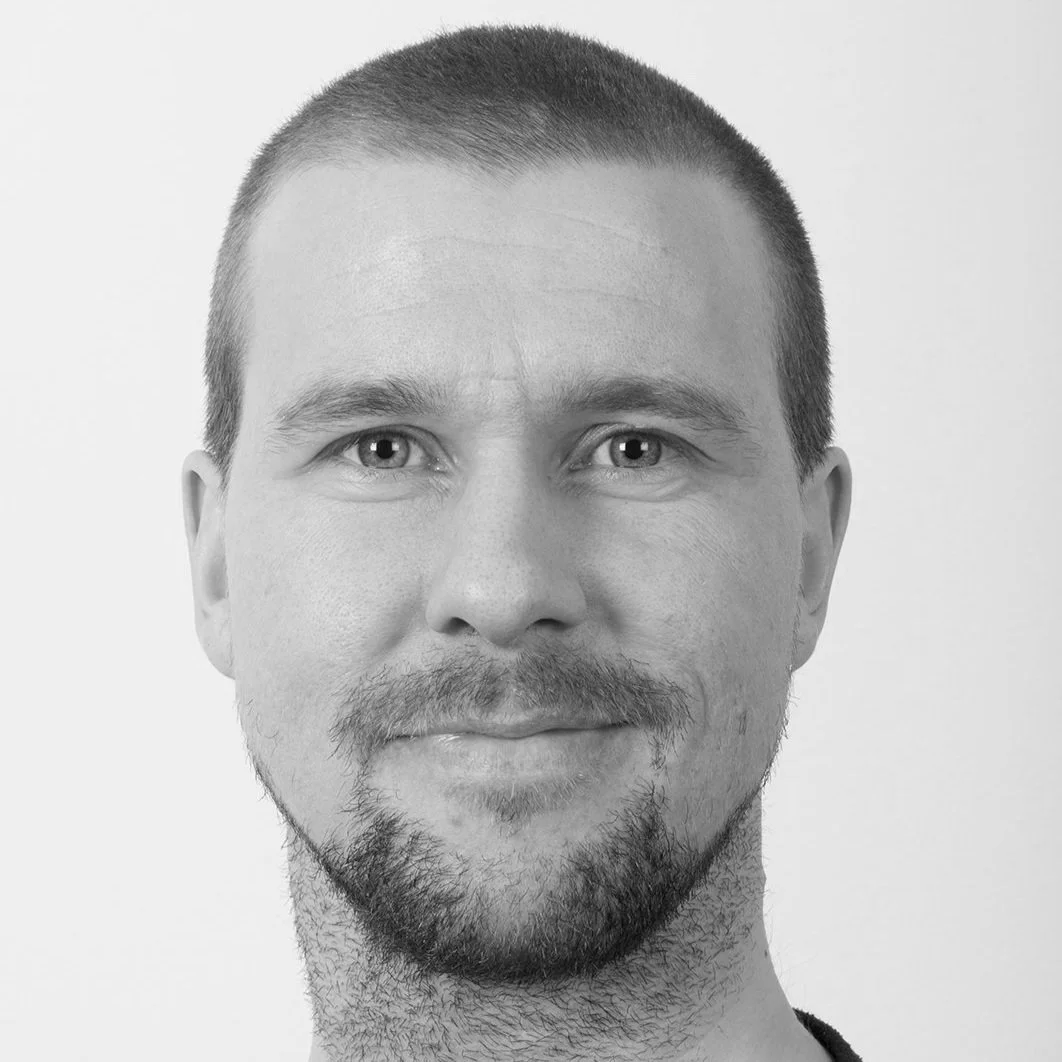
Torjus Solheim Eckhoff
DIGIT member and PhD research fellow at the University of Oslo
Eckhoff has a mixed disciplinary background with a Bachelor in geography from NTNU and a Master’s in Environment and Conflict Analysis from Aarhus University. In his PhD project, he is studying Official Norwegian Reports (NOU) and speeches in the Norwegian Parliament from the 1970s up until present to investigate technological imaginaries and how electronic data processing (EDP), information and communication technology (ICT), information technology (IT) and the digital have developed as objects of governance.
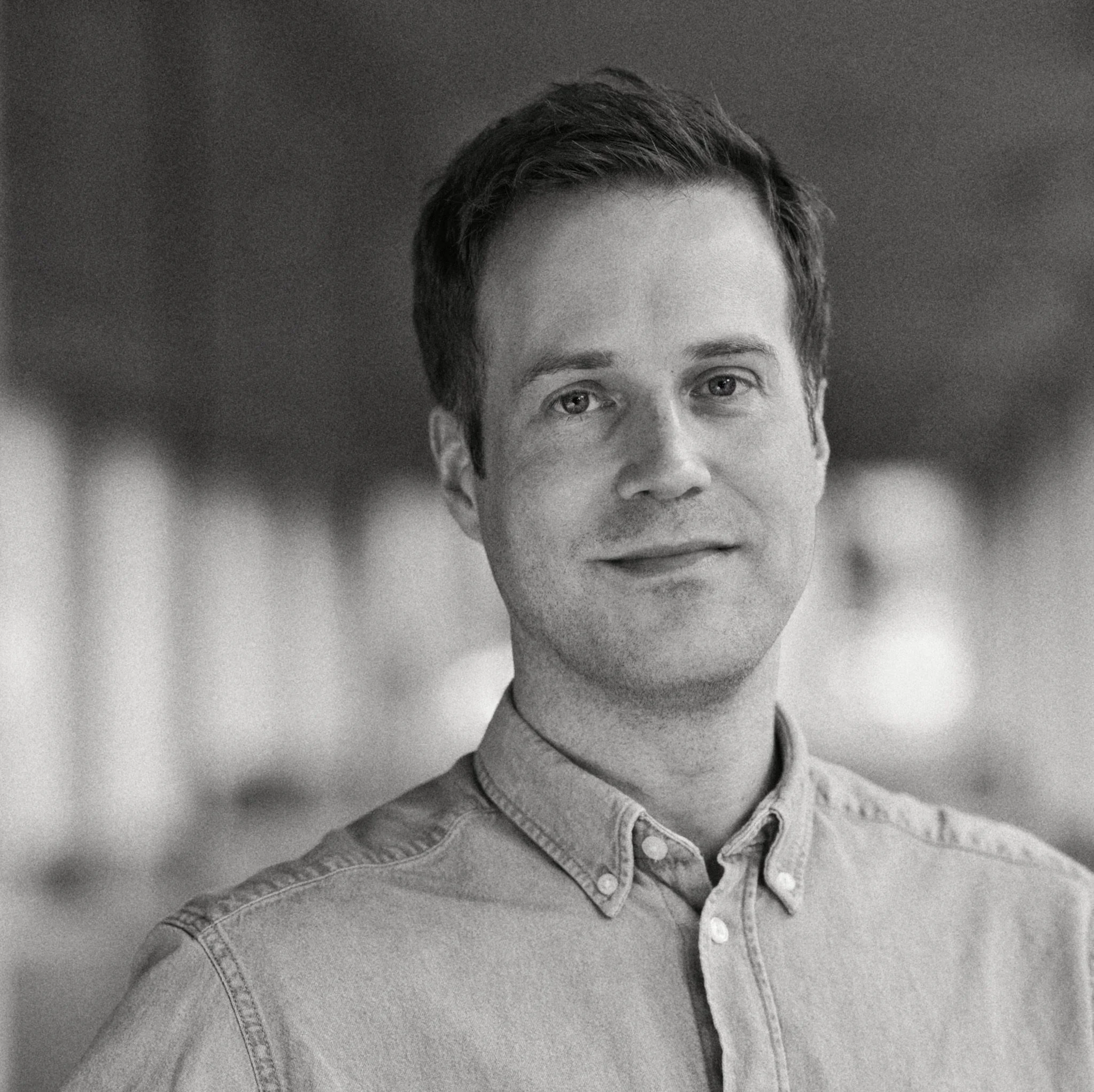
Vidar Bakkeli
DIGIT member and researcher at OsloMet
Bakkeli has a mixed social science background that includes social anthropology and sociology on bachelor level, science- and technology studies (STS) in his master degree and a ph.d. in social work and social policy. His main interests include public sector organisations, digitalisation, implementation studies, professionalism and institutional change.
Conference: eKommune 2025
Conference: eKommune 2025
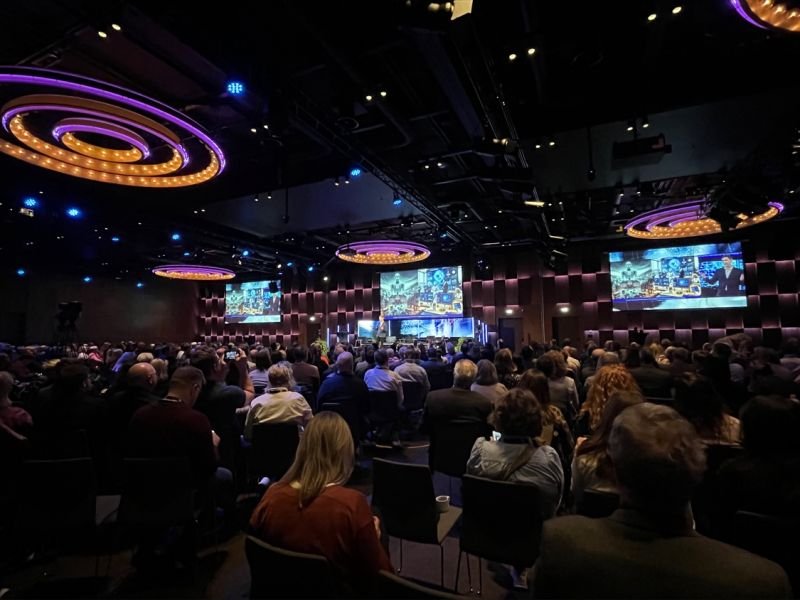
eKommune is Norway's leading conference for digital transformation and innovation in the municipal sector. Organized by KS, the Norwegian Association of Local and Regional Authorities, this year's theme is Municipalities in the storm – Frontline in a digital age.
KS is a partner in the DIGIT Research School, and we now offer a select group of DIGIT members an opportunity to attend.
eKommune 2025
Date: April 9-10, 2025
Location: Clarion Hotel The Hub in Oslo
Apply for a place: https://nettskjema.no/a/479886
Deadline for application: Feb 19
Language: Norwegian
The offer is open for DIGIT members only
About eKommune 2025
eKommune is one of Norway's key conferences for digital transformation, innovation, and public sector development. Organized by KS, the Norwegian Association of Local and Regional Authorities, the 2025 theme is Municipalities in the storm – Frontline in a digital age. Topics include artificial intelligence (AI) in public services, digital transformation in education, and strategies for effective resource use in health care. The conference gathers experts, leaders, and policymakers, offering a vital arena for knowledge sharing and networking.
The conference will be held in Norwegian.
Read more about the conference and this year's program here: https://www.ks.no/fagomrader/digitalisering/styring-og-organisering/ekommune-2025-kommune-i-stormen---forstelinje-i-en-digital-tid/
About KS
KS (Kommunesektorens organisasjon) is the Norwegian Association of Local and Regional Authorities. It represents all of Norway’s municipalities and counties, serving as a key interest organization and employer association for the municipal sector.
Financial Support
DIGIT will cover the participation fee, travel expenses (up to 2000 NOK), and accommodation for 4-5 selected members. Participants are responsible for booking their own flights or train tickets, in line with their university's travel guidelines and the Personnel Handbook for State Employees.
Please feel free to contact the DIGIT coordinator if you have any practical questions.

Relevant course from our partners: Current Trends in eHealth Perspectives
Relevant course from our partners: Current Trends in eHealth Perspectives
The definition of eHealth is constantly evolving, and this course aims to introduce students to the vast area of eHealth and the research frontier of the field. We will invite critical reflection on the impact of eHealth on the future of healthcare, on society and on the users of eHealth – both health care workers and end-users. eHealth is multidisciplinary in nature and aims to equip the global audience of health clinicians, students, managers, administrators, and researchers to reflect on the overall impact of eHealth on the integration of care.
This is a course organized by our partners at the University of Southeast Norway (USN). For questions related to the course, contact USN directly.
Current Trends in eHealth Perspectives
When: By physical presence: March: 26.-27th April: 29-30th. Digital attendance: May 27th, 2025.
Where: Drammen/online
ECTS: 5
Registration deadline: 1 March 2025 (external candidates)
Registration
Read more and register here:
Content
The demographic prospects, increasing inequalities, and rising cost in the health care and welfare system represent challenges that require interdisciplinary research and innovation. Increased use of e-health will contribute to meet these challenges. At the same time, this is a novel area that requires new knowledge and new knowledge combinations as well as a critical research approach.
The definition of eHealth is constantly evolving, and this course aims to introduce students to the vast area of eHealth and the research frontier of the field. We will invite critical reflection on the impact of eHealth on the future of healthcare, on society and on the users of eHealth – both health care workers and end-users. eHealth is multidisciplinary in nature and aims to equip the global audience of health clinicians, students, managers, administrators, and researchers to reflect on the overall impact of eHealth on the integration of care.
Learning outcome
Knowledge
have in-depth knowledge and critical understanding of scientific excellence in the multidisciplinary field of eHealth, in which the various participating disciplines have different research orientations
have in-depth knowledge and critical understanding of ontological assumptions, and epistemological preferences within the field of eHealth
have in-depth knowledge and critical understanding of ethical, data security and social challenges raised by widespread use of eHealth technology
have in-depth knowledge and critical understanding of how emerging technological trends impact society, organizations and individuals
Skills
can critically reflect on current trends and innovative approaches in using eHealth in organizations
can navigate the landscape of eHealth as part of the health and welfare sector and benefit from its diversity
Can provide and apply constructive feedback on one’s own and others work to enhance/strengthen further development/work
General competence:
can describe and explain underlying assumptions made in studying eHealth.
can apply knowledge and skills in new areas of eHealth.
can communicate eHealth topics, analyses and conclusions to both specialists and general audiences.
can contribute to new trends and innovative ideas within the field of eHealth.

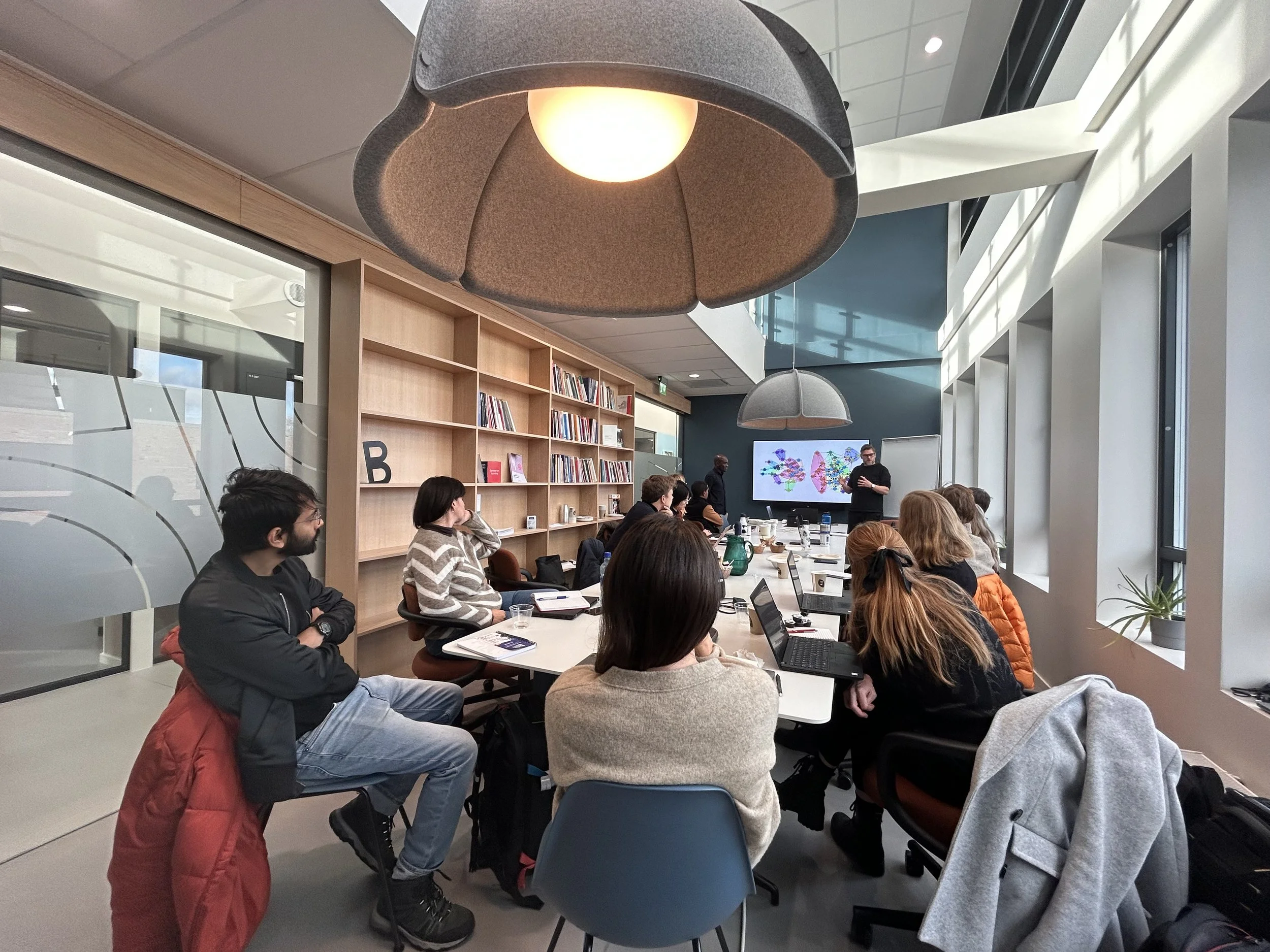
2-day DIGIT workshop: Advanced Methods in social science research on digitalization
DIGIT course: Advanced Methods in social science research on digitalization” at the University of Agder.

Past Events





2026
2025








2024


2023




2022
Meet the Participants
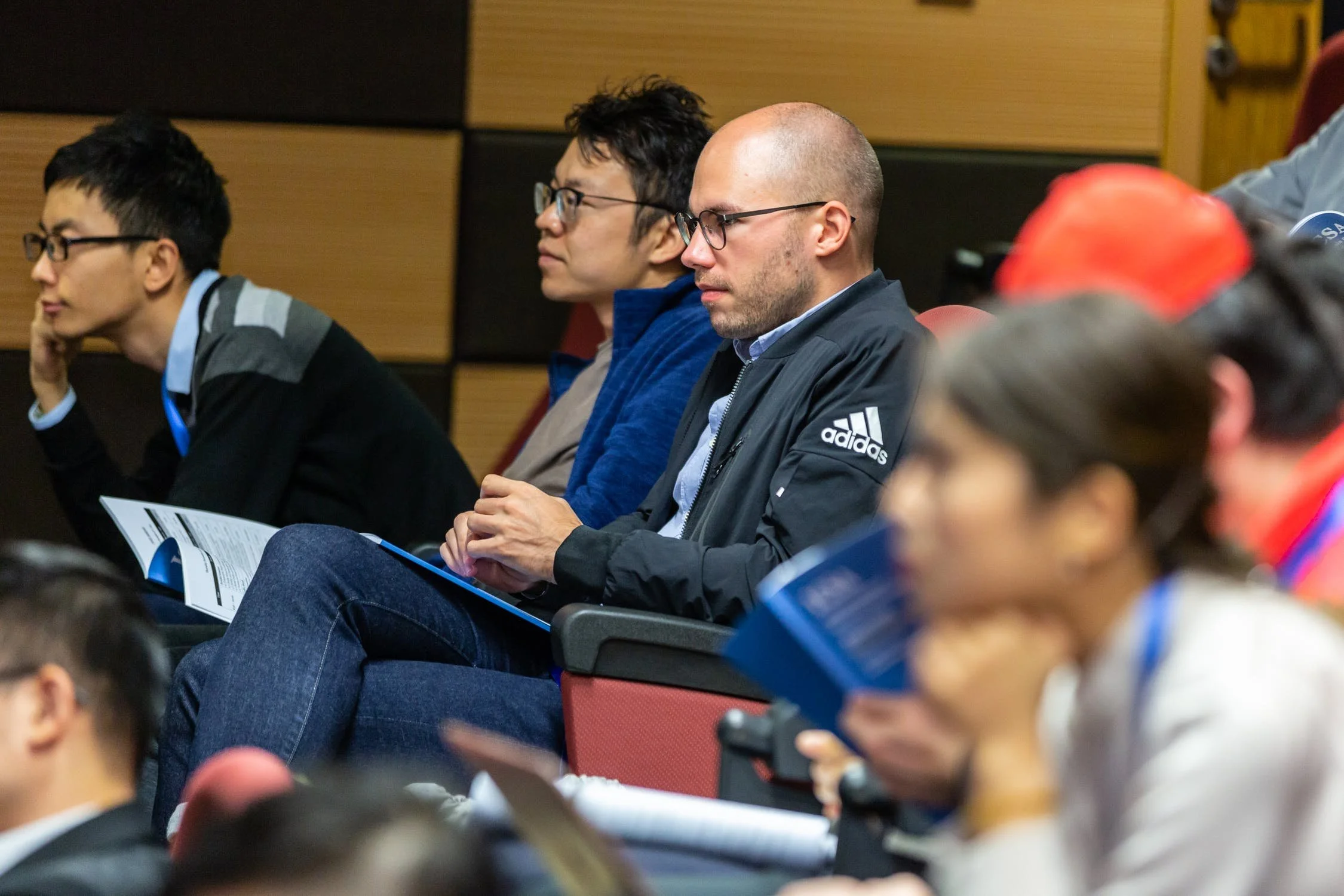
The first class of young experts was enrolled in the autumn of 2022. The first semesters start with a joint kick-off seminar, concentrating on key perspectives within DIGIT’s thematic clusters. Both researchers and stakeholders from outside the research sector will be invited to present the latest developments, and every participant will meet in roundtable discussions and present their ongoing research projects.
PhD-level course on «Qualitative digital methods for social scientists» at the University of Bergen
MET900 is a PhD-level course offered by the University of Bergen (UiB).
The course addresses how qualitative digital methods can inform research in the social sciences, including media and communications, anthropology, human geography, sociology, and political science. It will provide hands-on experience of using Qualitative digital methods, guidance on designing research using these methods, and an introduction to the interdisciplinary literature on the digital transformation of society. The course will also include a guidance and reflection on ethics in digital methodologies and strategies for preparing an application for the Norwegian Centre for Research Data for ethical approval of digital data.